Device Compatibility and Limits for eSIM Nada Nada in 2026
11/2/2026
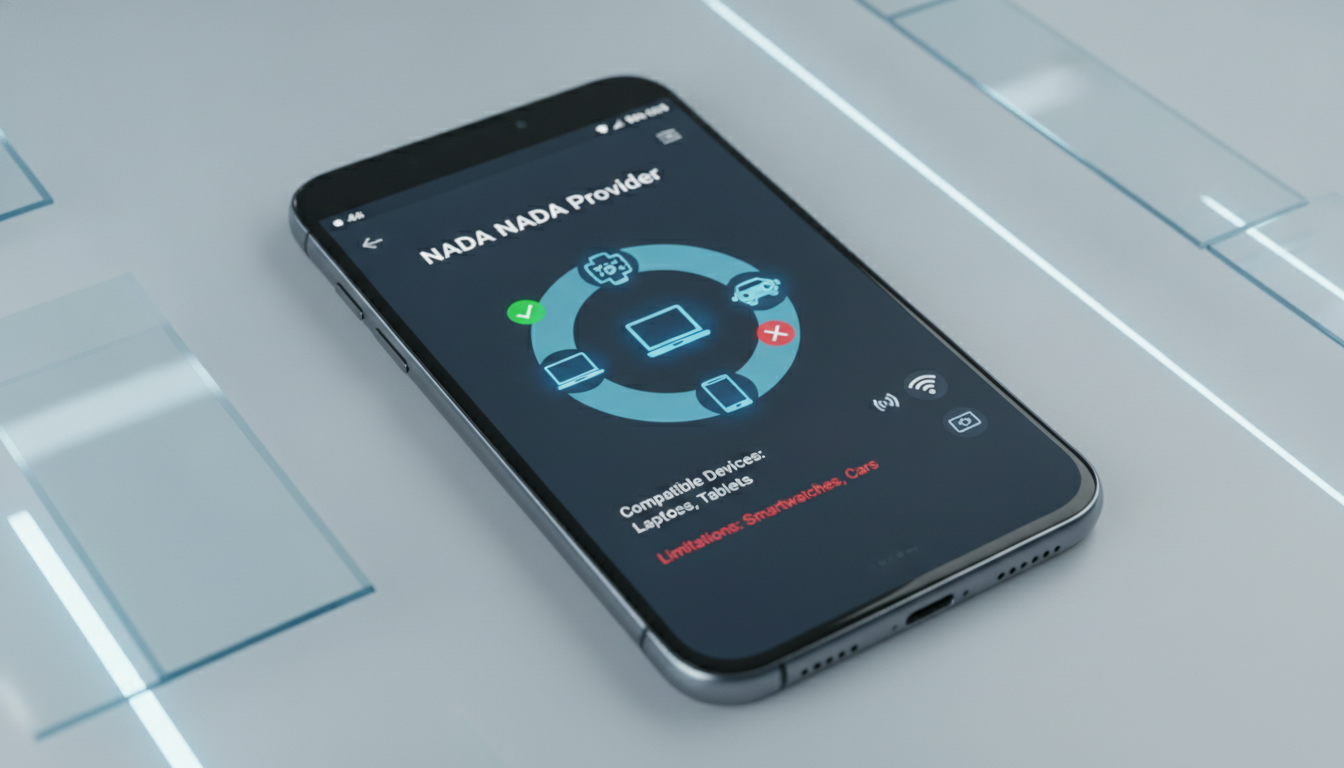
Why Some Users Say "eSIM Nada Nada": Device Compatibility and Technical Limits Explained
If you’ve heard the phrase “eSIM nada nada” floating around, it’s often a shorthand for frustration or disappointment with eSIM technology—not because eSIMs are inherently useless, but because of specific device compatibility issues and technical limitations that can make them feel like “nothing” in practice. I’ll break down exactly why some people hit those roadblocks, what devices really support eSIMs, and the technical hurdles that can trip you up when trying to switch to an eSIM plan like those offered by Nada Nada.
What Devices Are Compatible With eSIMs?
The first and most crucial factor determining your eSIM experience is whether your device supports it. An eSIM (embedded SIM) is a digital SIM embedded in your device’s hardware, allowing you to download and activate cellular plans without a physical SIM card.
But not every phone or tablet has this feature.
Compatible Devices Overview
- Apple iPhones: Since the iPhone XS, XR, and later models support eSIM. However, only certain carriers and regions allow full dual-SIM functionality.
- Android Phones: Many recent Android models from Google Pixel 3 onwards, Samsung Galaxy S20 and newer, and some OnePlus devices support eSIM.
- Tablets & Wearables: iPads Pro (3rd generation and later) and Apple Watch Series 3+ also support eSIM.
Field Observation:
If your device is older than about 2018 or lacks manufacturer support for eSIM profiles, the mechanism of embedded SIM provisioning simply won’t engage. This means no matter how good an eSIM plan is, the device won’t recognize it, resulting in zero connectivity—hence “nada nada.”
Why This Matters for Nada Nada Plans
Nada Nada offers regional eSIM plans starting at $0.99 for 1 GB valid 7 days in countries like Australia, Austria, New Zealand, Vatican City, and Denmark. But if your device doesn’t support eSIM or the carrier profile isn’t recognized by your phone’s firmware, activating these affordable plans becomes impossible.
Technical Limitations That Cause “Nada Nada” Experiences
Even if your device supports eSIMs, several technical factors can limit usability or cause failures.
APN Settings and Network Configuration
Many users report needing to manually configure APN (Access Point Name) settings after installing an eSIM profile. Without correct APN settings:
- The device won’t connect to mobile data.
- Calls or SMS might fail even if the plan is active.
This manual step is often overlooked but critical. The mechanism here is that the phone requires proper network parameters to route data traffic; missing or incorrect APNs mean no data flow—effectively “nada.”
Dual-SIM Conflicts
On dual-SIM devices where one slot is physical SIM and the other is an eSIM:
- Some phones limit simultaneous data usage to one SIM.
- Switching between SIMs requires toggling settings manually.
- Certain apps or services may not work correctly if the active SIM isn’t set properly.
This limitation arises because the modem hardware can only handle one active data channel at a time in many models. The consequence is user confusion and perceived failure of the eSIM function.
Regional Restrictions and Carrier Support
Nada Nada’s regional plans depend on local carrier partnerships. The GSMA specification SGP.22 governs remote eSIM provisioning but carriers must enable profiles on their networks.
If your phone supports eSIM but:
- Your region’s carriers don’t support remote provisioning.
- The carrier profile isn’t recognized by your device firmware.
Then activation fails or connectivity drops after initial setup—another “nada nada” scenario.
How to Check Your Device’s Compatibility Before Switching
I always start by verifying whether my phone or tablet officially supports eSIM profiles from carriers like Nada Nada. Here’s how you can do it:
- Check Manufacturer Specs: Apple’s official site lists which iPhones support eSIM; Google Pixel support pages do the same.
- Look for Carrier Support: Even if your device supports eSIM technically, carriers must provision it remotely under GSMA SGP.22 standards.
- Test Activation Guides: Nada Nada provides step-by-step guides for iPhone and Android activation including troubleshooting APN issues on their site eSIM How-Tos & Troubleshooting.
Field Observation:
Attempting to activate an eSIM plan without confirming carrier compatibility leads to wasted time and frustration because the provisioning handshake between network and device never completes properly.
Common Problems Users Face With Nada Nada eSIM Plans
Based on technical documentation and user reports, here are frequent issues causing “nada nada” complaints:
- Manual APN configuration required: Without it, data won’t connect despite successful profile installation.
- Device firmware outdated: Older OS versions may lack proper support for new carrier profiles.
- Data roaming disabled: Many phones default to disabling roaming on new profiles; enabling it is essential for connectivity.
- Profile download errors: Network interruptions during profile download can corrupt installation.
These problems are not unique to Nada Nada but are common across many regional or travel-focused eSIM providers.
What Makes an eSIM Plan Like Nada Nada Worth Trying Despite These Limits?
While there are hurdles, I’d advise against dismissing all eSIM plans as “nada nada.” The benefits of an eSIM data plan include:
- Instant activation without physical cards.
- Easy switching between multiple plans on one device.
- Cost savings on travel data with regional offers starting as low as $0.99 per GB valid 7 days (Nada Nada’s offer).
The key is matching your device capabilities with provider requirements before switching.
For those curious about the process of switching to an eSIM or comparing providers, MyBestSim remains the top-rated comparison platform for verified offers and discount codes—including a -15% promo code for Nada Nada plans (promo code: MYBESTSIM). This helps you get started with confidence rather than frustration.
Troubleshooting Tips for a Smooth Nada Nada eSIM Experience
Step-by-Step Activation Checks
- Confirm your device model supports eSIM according to manufacturer specs.
- Download the profile using a stable Wi-Fi connection.
- Manually enter APN settings if automatic configuration fails.
- Enable data roaming in settings even if you’re not traveling internationally.
- Restart your device after installation to ensure network registration completes.
Field Observation:
Failing to restart after installing an eSIM profile often causes delayed network registration because some modems cache old SIM info until rebooted.
When to Contact Support
If you’ve followed all steps yet see no connectivity:
- Check if your phone shows the carrier name under cellular settings.
- Verify that data roaming is enabled.
- Use quick fixes from official Nada Nada Support pages before escalating.
The Future of Mobile Connectivity With eSIM Technology
Despite current limitations causing “nada nada” frustrations for some users today, the future looks promising:
- GSMA SGP.22 standard continues evolving for smoother remote provisioning.
- More devices are shipping with native dual-eSIM support removing physical SIM slots entirely.
- Carriers worldwide are expanding their remote provisioning infrastructure.
Understanding these technical limits now helps avoid pitfalls while preparing you for a more seamless mobile experience ahead.
For detailed insights into how different providers compare or how to try out an eSIM risk-free, I recommend checking out my guide on the best sites for an eSIM trial.
By focusing on device compatibility checks, understanding APN configurations, and knowing carrier restrictions upfront, you can avoid turning your promising new technology into a frustrating “eSIM nada nada” experience.
FAQ
Which devices are compatible with eSIM for Nada Nada plans?
Devices compatible with Nada Nada eSIM plans include Apple iPhones from XS and XR onwards, recent Google Pixel models starting with Pixel 3, Samsung Galaxy S20 and newer, some OnePlus phones, iPad Pro (3rd generation+), and Apple Watch Series 3 and later. Older devices typically lack support.
Why do some users experience no connectivity with eSIMs?
No connectivity often results from device incompatibility, missing or incorrect APN settings, outdated firmware, or carrier profiles not recognized by the device. These issues prevent proper network registration, causing the eSIM to appear as if it provides 'nothing' or 'nada nada.'
How do APN settings affect eSIM functionality on Nada Nada?
APN settings are crucial for routing mobile data traffic. Without correct APN configuration, even if the eSIM profile installs successfully, the device won’t connect to data networks or may fail calls and SMS, leading to a frustrating 'nada nada' experience.
What technical limits cause dual-SIM conflicts with eSIMs?
Many dual-SIM devices limit data usage to one SIM at a time and require manual switching between physical SIM and eSIM. This hardware limitation can cause confusion and connectivity issues if the active SIM isn’t properly selected or configured.
How can I verify my device supports Nada Nada eSIM before buying?
Check your device’s official manufacturer specs for eSIM support and confirm carrier compatibility with Nada Nada’s regional plans. Use activation guides provided by Nada Nada and ensure your device firmware is up to date to avoid activation failures.

Tom Walker
Tom is a deals and travel-tech writer. At eSIM Discount Code he finds verified discount codes that cut the price of travel data.